Unleash Your Competitive Edge: Made in Britain
Read More


Marketing to interior designers can be a powerful route to specification, brand awareness and long-term product sales.
From complete kitchens and bathrooms to wall coverings, door knobs, electrical switch plates and sockets, interior designers can influence which brands and products are considered for a wide range of projects.
In partnership with the architects and their design team, interior designers serve as the taste makers, the ones to engage with – a potential brand advocate.
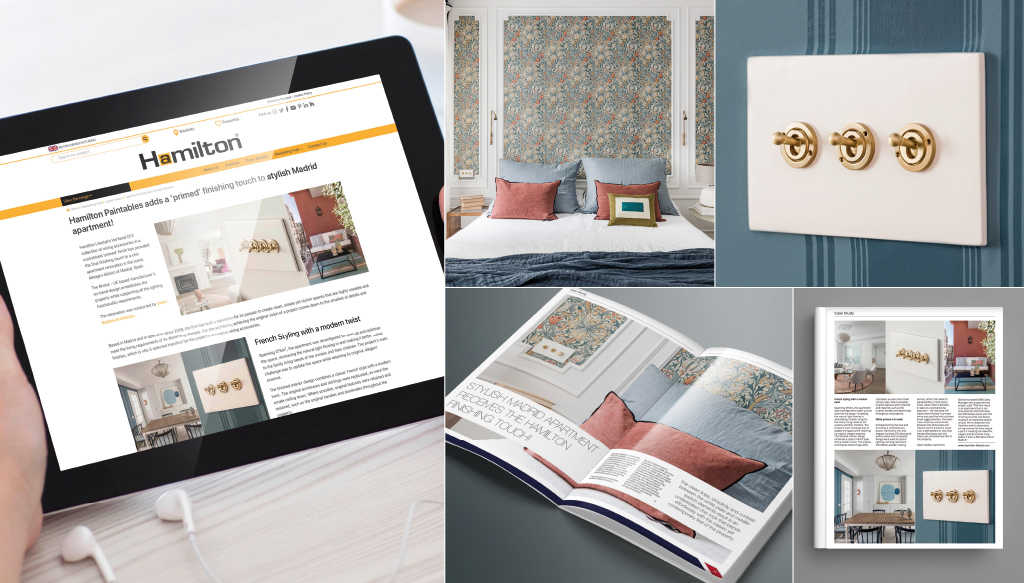
To be considered a ‘preferred supplier’ is high praise. An effective strategy for gaining exposure and securing commissions on future projects – resulting in long-term product sales.
‘Well, I’m sold… let’s put a campaign together aimed at interior designers!’
…and here’s where things go so very, very wrong.
Not all interior designers are created equal!
Just as there are many different types of engineers – mechanical, electrical, civil, chemical, and building service engineers, to name a few – there are also many different types of interior designers.
Some interior designers specialise on hospitality, workplace, residential, retail. Others focus on education, and marine design – for more detailed look, check out this BiiD article!
Within these industry sectors, manufacturers encounter many specification opportunities.
However, it’s crucial to recognise that they like to control the product evaluation process and dislikes a ‘hard sell’.
Why work with us? – Having clocked up many hours developing brand and lead gen programmes to reach and motivate interior designers, this is a customer group we know well. Here are a few top-level observations I’m happy to share:
Although the field of interior design is an extremely broad brush, interior designers are often specialists in their field – make sure you know what that is!
Never forget what you’re asking them to put on the line every time they recommend your brand.
Interior designers are always looking for inspiration, new ideas, something different they can take and use in their next project.
This makes them open to approaches from new suppliers and early adopters of new products.
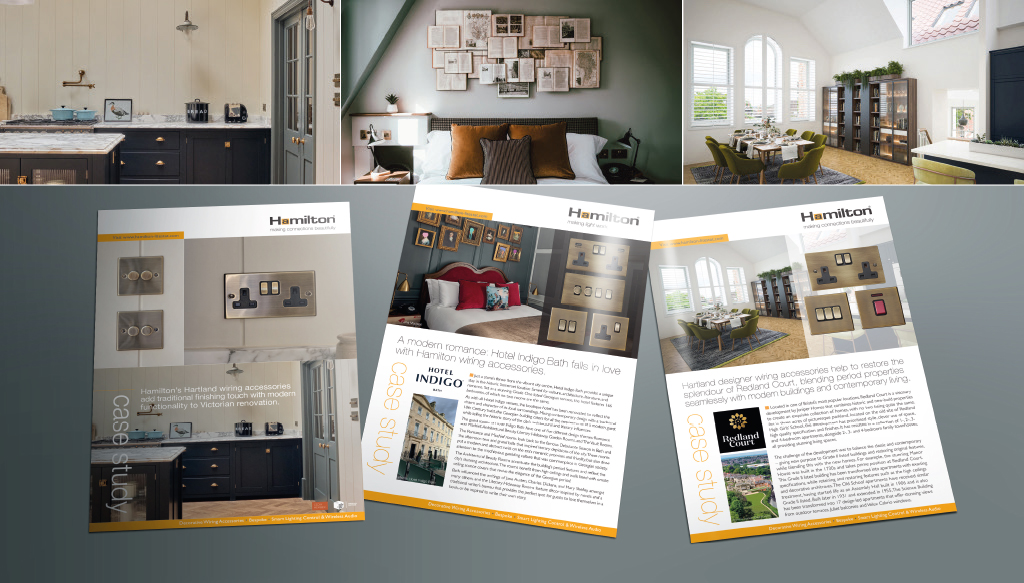
Interior design is a multifaceted discipline. The best designers rely upon the knowledge and expertise of their suppliers – choose a working dialogue rather than a selling monologue.
They use powerful devices, tablets and mobile phones throughout the design process.
But there is still no substitute for seeing and touching products in person.
This gives them a true feel for colour, texture, weight and form.
At trade shows and private viewing appointments they capture this with their portable devices as reference for later projects.
General design shows, such as Decorex, Design London, London Design Fair. Market sector shows, such as the Independent Hotel Show, HIX Europe, KBB, and Retail Expo – be selective and do each well!
One of the few sectors where print is still as important as digital. Print space costs are high so do your research.
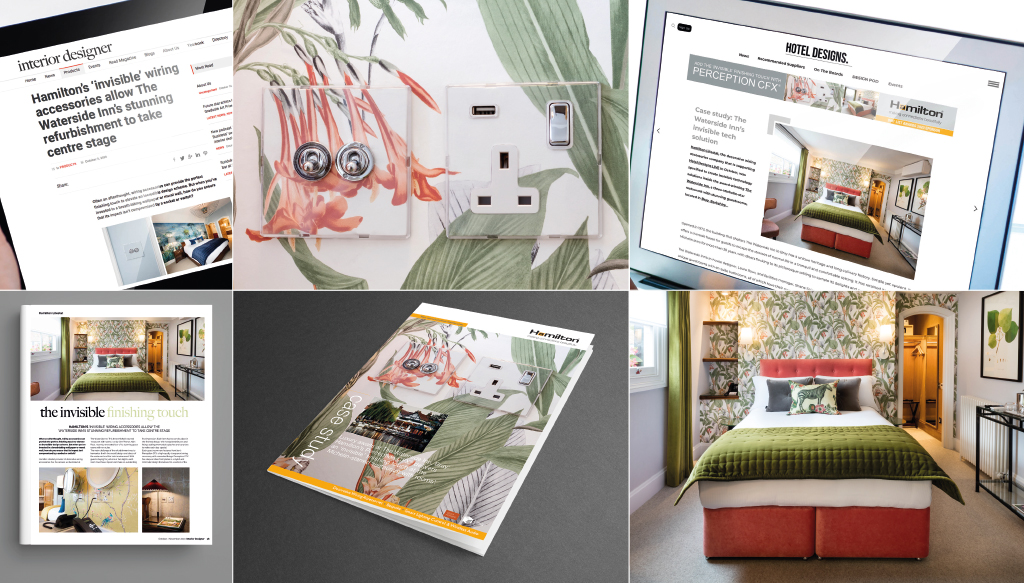
Hospitality, home and garden, kitchens, bedrooms, and bathrooms (KBB), and commercial offices. A one-size-fits-all approach just won’t be effective and could be very costly.
As avid consumers of visual information, Instagram and Pinterest are major channels, and always use quality photographic images.
They are a key part of product sourcing across the industry and the process of providing these can help build great customer relationships. If you can’t get an appointment to drop off a sample, think direct mail.
Now a requirement in more project briefs, Trade shows are a great place to promote your credentials, and don’t be afraid to highlight areas that you are actively working to improve.
Having developed a BiiD accredited Continuing Professional Development (CPD) course on smart lighting control, the questions and required detail in the course clearly illustrated that function is just as important as form.
Many manufacturers struggle with this customer group. Need help? – contact us to discuss your next campaign and utilise our understanding of how to reach and motivate your interior design customers.
Because the aim isn’t just to get the brand seen – it’s to get it chosen.
“Written by Steve Dyer, industrial B2B brand marketing specialist with 35+ years’ agency experience.”